
Browse around
topics

Hey Mama!
certified yoga teacher, boy mama, & bird dog obsessed.
I'm Liz

Does my yoga practice change now that I'm pregnant?
1st trimester

Breath work for preparing for birth
Mind + Body

The new Mama's guide to C- Sections
Postpartum

Kids Yoga you can do at home with no props
Kids YOga

Your Special Offer
Tumblr meditation air plant activated charcoal gluten-free. Cornhole chicharrones pabst coloring book woke scenester enamel pin plaid

Your Special Offer
Tumblr meditation air plant activated charcoal gluten-free. Cornhole chicharrones pabst coloring book woke scenester enamel pin plaid
Postpartum Yoga: A Gentle Way to Reconnect With Your Body After Baby
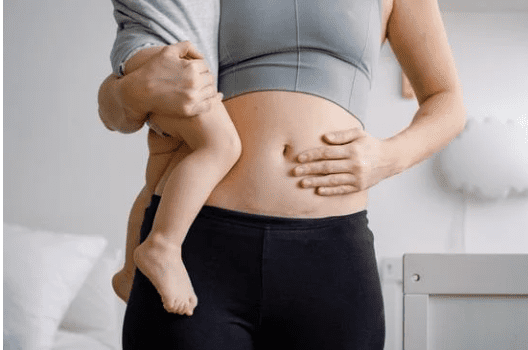
The postpartum season is tender, intense, beautiful, exhausting, and often misunderstood.
After birth, so much attention shifts to the baby. Everyone asks how the baby is sleeping, feeding, growing, and adjusting. But the mother is adjusting, too.
Your body has been through pregnancy and birth. Your hormones are shifting. Your sleep may be interrupted. Your core and pelvic floor are healing. Your shoulders may be tight from feeding and holding your baby. Your nervous system may feel overstimulated. Your heart may feel full, stretched, overwhelmed, or all of the above.
Postpartum yoga offers a gentle way to come back to yourself.
Not to “bounce back.”
Not to rush recovery.
Not to force your body into what it used to be.
But to reconnect.
What Is Postpartum Yoga?
Postpartum yoga, also called postnatal yoga, is a gentle movement and breath practice designed to support the body after birth. It focuses on healing, awareness, stability, mobility, and nervous system regulation.
Unlike high-intensity workouts, postpartum yoga begins with the foundation: your breath, your posture, your core, your pelvic floor, and your ability to feel safe and present in your body again.
A postpartum yoga practice may include:
- Deep breathing
- Gentle stretching
- Core reconnection
- Pelvic floor awareness
- Shoulder and neck release
- Hip and low back mobility
- Restorative rest
- Mindfulness and emotional support
The goal is not to do more. The goal is to listen better.
Why Postpartum Yoga Can Be So Supportive
After birth, your body needs time.
Even if you feel “fine,” there is deep healing happening beneath the surface. Your abdominal wall has stretched. Your pelvic floor has carried significant pressure. Your posture may have changed during pregnancy. And now, the repetitive movements of motherhood — feeding, rocking, lifting, carrying, bending, and sitting — can create new tension patterns.
Postpartum yoga can help address these changes gently.
It can support:
Core recovery:
Postpartum yoga can help reconnect you with your deep core muscles through breath and controlled movement.
Pelvic floor awareness:
Rather than only focusing on tightening or strengthening, postpartum yoga can help you learn how to relax, coordinate, and connect with the pelvic floor.
Shoulder and neck tension:
Feeding and holding a baby often create tightness in the upper body. Gentle yoga can help release this tension.
Low back discomfort:
Postpartum posture, lifting, and fatigue can contribute to back pain. Breath-led movement can help restore balance.
Stress relief:
Slow movement and breathing can help calm the nervous system during a season that often feels overstimulating.
Emotional reconnection:
Yoga gives you space to notice what you feel without judgment.
A 2024 review found that postnatal yoga is associated with improved psychological well-being and decreased depressive symptoms in mothers, while also noting that more research is needed in this area.
When Can You Start Postpartum Yoga?
Every birth and recovery is different.
Some moms may begin with gentle breathing and restorative rest within the early postpartum weeks, while others may need more time before movement feels appropriate. Always follow your healthcare provider’s guidance, especially if you had a C-section, significant tearing, pelvic floor symptoms, diastasis recti, pain, dizziness, or other complications.
In the earliest postpartum phase, yoga may look like:
- One minute of breathing
- Gentle shoulder rolls
- Supported rest
- Pelvic floor relaxation
- A short walk
- Lying on your side and noticing your breath
That counts.
You do not need to wait until you can do a full class to begin reconnecting with your body.
A Gentle Postpartum Breath Practice
One of the best places to start after birth is with your breath.
Try this simple practice:
- Lie on your side or sit comfortably.
- Place one hand on your ribs and one hand on your lower belly.
- Inhale gently and feel your ribs expand.
- Exhale slowly and imagine your body softening.
- As you exhale, lightly connect with your lower belly without gripping.
- Repeat for 5–10 breaths.
This type of breathing can help you reconnect with your diaphragm, deep core, and pelvic floor. It can also give your nervous system a moment of calm.
Postpartum Yoga Poses for New Moms
Here are a few gentle yoga poses that may feel supportive after baby, once you have been cleared for movement and they feel comfortable in your body.
Supported Child’s Pose
Use pillows or bolsters under your chest. Let your body rest and breathe into your back.
Cat-Cow
Move slowly through your spine to relieve back tension and reconnect with your breath.
Thread the Needle
This gentle twist can help release shoulder and upper back tension from feeding and holding your baby.
Bridge Pose
A gentle bridge can help activate the glutes and support pelvic stability.
Legs Up the Wall
This restorative pose can help calm the nervous system and ease tired legs.
Side-Lying Chest Opener
This is especially helpful for moms who feel rounded forward from feeding, pumping, or carrying.
Remember, postpartum yoga should never cause pain, pressure, heaviness, leaking, pulling, or discomfort. If it does, pause and consider working with a pelvic floor physical therapist or qualified postpartum movement specialist.
Letting Go of the “Bounce Back” Pressure
One of the most healing parts of postpartum yoga is the mindset shift.
So much of postpartum culture focuses on getting your body back. But your body did not go anywhere. It carried you through one of the most transformative experiences of your life.
You do not need to punish it into a smaller version of itself.
You can support it.
You can strengthen it.
You can listen to it.
You can rebuild trust with it.
Yoga reminds you that your body is not a project to fix. It is a home to return to.
Postpartum Yoga for Mental and Emotional Health
Motherhood can be emotionally complex. You can love your baby deeply and still feel overwhelmed. You can be grateful and exhausted. You can feel strong one moment and unsure the next.
Yoga gives you a place to hold all of that.
Through breath, movement, and stillness, postpartum yoga creates space for you to check in with yourself. It can help you notice when you are holding your breath, clenching your jaw, tightening your shoulders, or pushing through exhaustion.
Sometimes the practice is physical.
Sometimes it is emotional.
Sometimes it is simply remembering to exhale.
Final Thoughts
Postpartum yoga is not about rushing your recovery.
It is about honoring it.
It is a gentle way to rebuild strength, release tension, reconnect with your core and pelvic floor, and create moments of calm during a deeply demanding season.
Whether you are six weeks postpartum or six years postpartum, it is never too late to come back to your body with compassion.
Start small. Breathe deeply. Move gently.
You are not behind.
You are healing.
And you deserve support, too.
Pin
Share


© 2026 Move with Liz
Feel Better Fast: 5 minute Prenatal Yoga Flow to help you instantly feel more energized.


I'm so glad you're here, stick around, there's so much to see, xo Liz
